It's essential to have Wichita home insurance that stays current with escalating reconstruction costs and serious wind-hail events. Opt for full replacement value for your home and possessions, include building code protection, and schedule valuable items. Right-size deductibles, verify wind-hail percentage triggers, and record roof condition; impact-resistant or metal roofs can provide major credits. Match Coverage A/B/C with local rebuilding costs, keep inventories, and combine coverage for savings. Compare A-rated carriers and independent agents based on claims history and severe weather handling. Read on to learn how to secure your policy.
Key Takeaways
- Choose insurance carriers that have a strong track record for claims, rapid disaster response, and reliable regional contractors for handling the area's extreme weather conditions.
- Review home coverage limits annually; utilize local reconstruction estimates to align with growing building and material expenses.
- Select replacement cost coverage for your home and possessions; remember to incorporate ordinance and law coverage and itemize expensive belongings.
- Manage wind and hail risks by utilizing Class 4 shingles, strengthened garage doors, and scheduled roof maintenance to obtain premium credits.
- Establish liability coverage at $300k-$500k (look into getting an umbrella policy); bundle home and auto insurance and implement monitored alarm systems for trusted cost reduction.
Understanding Wichita's Housing Market and Your Insurance Needs
As Wichita's real estate market fluctuates, your home insurance coverage should change with market values, construction costs, and local risk factors. It's essential to monitor market dynamics because shifting home prices, material availability, and construction expenses directly affect your home's replacement value. When rebuilding costs increase, your risk of being underinsured grows; conversely, when expenses drop, you can reduce premiums while maintaining adequate protection.
Assess property limits, replacement value factors, and inflation safeguards each year. Review insurers' evaluation systems and request current rebuilding cost estimates based on local labor and material indexes. Reassess deductibles to optimize coverage costs with liquid assets. Observe local developments-home improvements, safety concerns, and weather-related risks-to adjust endorsements and coverage triggers. Plan semiannual check-ins so your coverage stays current, effective, and justifiable.
Fundamental Insurance Coverage for Wichita Property Owners
The key elements of protection include these core protections: home coverage for rebuilding costs, coverage for additional structures like outbuildings and fences, protection for your personal possessions, additional living expenses coverage if you're displaced, liability coverage for accidents you're responsible for, and guest medical coverage regardless of fault. Make sure to set dwelling coverage limits matching today's reconstruction costs, rather than property value, and extend protection with code upgrade coverage for compliance requirements. Don't forget to schedule precious items that exceed standard coverage caps.
Opt for replacement cost coverage, not actual cash value, for both your structure and contents. Align liability protection with your total assets and consider an umbrella policy. Strengthen your coverage approach with household emergency readiness: inventory your assets, keep inventories updated, and use a seasonal maintenance plan to minimize claims and improve premiums.
Severe Weather Exposure in the Heart of Kansas
Season after season, South-Central Kansas puts your property and finances to the test with destructive hail, powerful gusts, and tornadoes. You face frequent spring supercells, gusts exceeding 60 mph, and hailstones that damage shingles, dent gutters, and break windows. Emphasize hail preparedness: impact-resistant roofing, reinforced garage doors, secured outdoor equipment, and photographic records of exterior surfaces. Cut back trees, fasten trampolines, and check sump pump function to counter wind-driven rain.
When sirens sound, follow proven tornado sheltering: innermost room on the ground level, protective headgear and robust footwear, and a whistle or air horn for alerting rescuers. Keep a emergency kit with policy numbers, photos, chargers, and medications. Check your provider's claims contact, preferred contractors, emergency accommodation options, and cleanup protocols prior to severe weather.
Replacement Cost vs. Actual Cash Value: Making the Right Choice
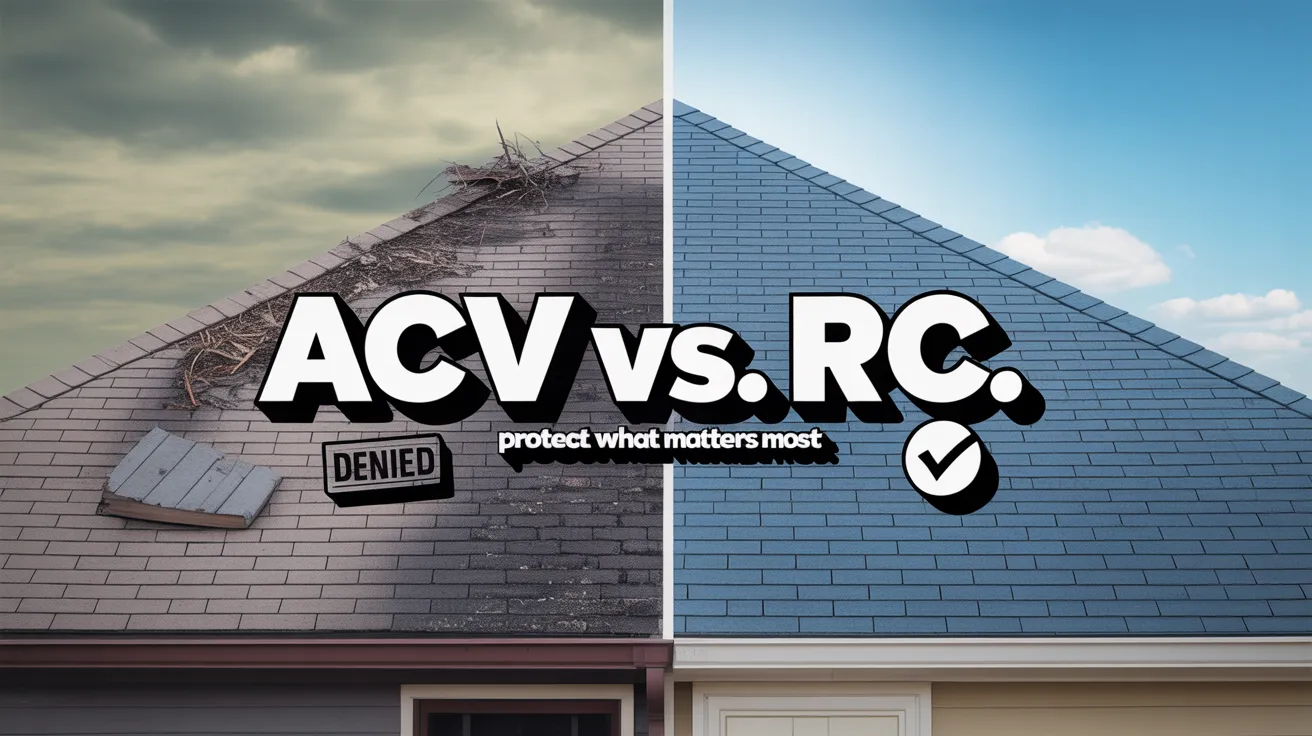
When it comes to your Wichita home policy, few decisions affect your insurance payout more than selecting Replacement Cost (RC) or Actual Cash Value (ACV). RC enables you to replace or rebuild with new materials of comparable kind and quality, without factoring in depreciation. In contrast, ACV factors in depreciation, leaving you to handle the gap. When comparing policies, RC generally comes at a higher price but provides better protection for your finances following a claim.
Let's examine claim scenarios: a 15-year-old roof worth $18,000. Replacement Cost coverage pays for full replacement minus your deductible, whereas ACV might only provide $9,000 with 50% depreciation. In cases of internal water damage, RC funds replacement of cabinets and flooring at today's costs; ACV pays what they're worth used. Choose RC if you prefer consistent coverage amounts; choose ACV only if reduced premiums offset limited coverage.
Deductibles, Wind-Hail Endorsements, and Separate Storm Deductibles
Since Wichita weather can change rapidly, your deductible setup is as crucial as your coverage limit. You'll generally select a flat-dollar deductible for most claims, but wind-hail endorsements frequently carry separate, percentage-based deductibles tied to your dwelling value. Be aware of your policy triggers: some insurance providers apply the wind-hail deductible solely when a named peril or specific meteorological threshold is met; others implement it for any wind-driven loss. Analyze storm exclusions carefully-cosmetic roof damage, matching issues, or wear-and-tear may be excluded, shifting more cost to you. Confirm whether the separate storm deductible applies per event or per occurrence year, and how it affects claim frequency surcharges. Select a deductible you can fund today without compromising future repairs.
Insurance Coverage: Dwelling, Other Structures, and Personal Property Limits
Before you even start comparing premiums, it's essential to establish proper coverage amounts for every insurance category: dwelling (Coverage A), other structures (Coverage B), and personal property (Coverage C). Begin by determining an accurate reconstruction value for your Wichita home, not the market value. Use a rebuild cost calculator and update it following renovations. For Coverage B, calculate the total square footage and materials of separate structures, boundary fencing, and outbuildings; raise coverage levels if upgraded materials increase rebuilding expenses.
To prevent coverage gaps in Coverage C, opt for replacement cost coverage for your contents and maintain records of your valuables. Implement detailed documentation approaches like photos of each room, serial number documentation, and saved receipts stored in cloud storage. Schedule valuable items that exceed standard sublimits. Reassess protection levels annually to account for contractor pricing, inflation and new acquisitions. Align endorsements early to ensure policy provisions align properly.
Understanding Liability and Medical Coverage for Kansas Properties
You need to establish personal liability limits sufficient to shield your assets from lawsuits arising from property damage or injuries you're accountable for. Add medical payments coverage that covers minor, no-fault medical bills for guests injured on your property, helping you resolve incidents quickly. We'll identify Kansas-appropriate limits and coordination with umbrella policies so you're covered with precision, without uncertainty.
Individual Liability Thresholds
Although property insurance safeguards your building's structure, liability coverage defends your assets when injuries or property damage occur on your property. Select protection levels that correspond to your assets and risk exposure: property value, investments, earning potential, and daily hazards. Keeping dogs, swimming pools, short-term rentals, or regular parties increase the risk of visitor accidents or expensive lawsuits. Begin with a minimum of $300,000, but $500,000 offers more security in Wichita's lawsuit landscape. If your assets exceed your coverage amount, enhance your coverage with umbrella insurance of $1-5 million or higher; the coverage is economical per dollar and provides for legal defense costs, settlements, and judicial awards. Evaluate property documents, account information, and liability waivers annually. Adjust limits after renovations, additions, or lifestyle shifts to maintain complete protection.
Medical Payments Coverage
For mere pennies, you can have peace of mind with Medical Payments to Others ("Med Pay") on a Wichita homeowners policy. This coverage handles customary medical bills if a guest is injured on your property-regardless of fault. Minor injuries can be settled fast, ease concerns, and frequently avoid legal action. Select your coverage limits wisely; $1,000 is common, but $5,000-$10,000 provides better protection when medical expenses accumulate.
Be aware of insurance claim deadlines. File reports promptly, record what occurred, collect witness information, and preserve itemized invoices. Your insurer handles qualifying costs like ambulance services, wound treatment, and medical assessments, but doesn't cover people in your home or routine medical care. Align Med Pay with your personal liability protection to protect against bigger expenses, and review limits following property updates, bringing in animals, or hosting more often.
Smart Ways to Save While Maintaining Full Coverage
Extend your premium dollars more effectively by combining cost-effective options and packaging without sacrificing essential coverage. Start with a home and auto combination to unlock bundling savings. Incorporate smart device benefits: surveillance equipment, moisture monitors, and automated climate systems that reduce risk and demonstrate preventive care. Look into no-claims and paperless billing credits, complete payment benefits, and long-term customer perks for long-term customers.
Consider raising your deductible strategically to reduce premiums, but keep an emergency fund that matches the new deductible. Strengthen protection for essential coverage - comprehensive coverage for your house and belongings - then cut additional features you won't use. Verify each discount appears on your declarations page and check yearly for overlooked savings. Compare quotes from different insurers, but ensure you're comparing equivalent coverage: the same protection levels, endorsements, and loss-settlement terms. This approach will help you save money while maintaining strong coverage.
Understanding the Effect of Roof Age, Materials, and Upgrades on Insurance Rates
Older roofs typically result in higher premiums, as providers calculate the risks of leaks, compromised wind resistance, and shorter remaining life. Cut down on expenses by selecting robust options including impact-resistant shingles, metal roofing, or tile rated for Wichita's common hail and high winds. If you make improvements, maintain records of permits, manufacturer ratings, and installation dates to release credits and maximize savings.
The Impact of Roof Age on Insurance Premiums
Despite having a structurally sound house, your old roof might secretly increase your Wichita homeowners insurance premium upward. Insurers scrutinize roof age because older shingles deteriorate, warp, and lose material, leaving the underlying materials vulnerable to water. That degradation raises claim frequency from moisture problems, home damage, and mildew. Insurers calculate these risks, so here you see premium hikes as your roof gets closer to replacement age.
Insurance assessors often highlight airflow problems. Limited air circulation in attics leads to heat accumulation and ice damming, decreasing shingle durability and increases loss severity. You can counter these concerns with documented maintenance: install new flashing where needed, reseal roof penetrations, maintain clean gutters, and verify roof integrity after severe weather. Submit verification including receipts, images, and roof assessments. This proactive approach shows lower loss potential and helps secure better insurance rates.
Material Durability Assessment
Those upkeep steps are more significant when integrated with high-quality materials. Insurance providers determine your insurance by evaluating roof performance over time, so they scrutinize material longevity, weather resistance, and system integration. If your roofing materials work as an integrated unit, you decrease failure points and insurance claims, which can result in lower premiums.
Make sure to log upkeep schedules and preserve proof regarding assessments, sealant maintenance, and flashing work. Insurance providers view such records as confirmation that you actively address wear, versus simply reacting to it. Furthermore, they assess the manner in which your roof withstands Wichita's extreme weather patterns; exceptional moisture resistance and impact ratings point to lower leaks and mold losses. Finally, compatibility is crucial: combining metals with conflicting substrates can speed up corrosion, while properly matched systems ensure integrity and stabilize your insurance costs.
Savings From Roof Upgrades
Installing a new roof is one of the best ways to reduce Wichita insurance premiums because insurers evaluate risk based on durability, age, and impact rating. Modern roofing systems reduce claims, so carriers offer benefits with better base rates and cost-effective wind/hail deductibles. Opt for Class 4 impact-resistant shingles to prevent hail damage; numerous insurers offer 10-30% discounts. Metal and concrete tile roofing typically qualify for larger discounts than basic 3-tab asphalt shingles.
Speak to your roofing contractor concerning energy-smart shingles that reduce attic temps and might offer tax credit benefits, combining utility discounts with insurance savings. Keep records of permits, manufacturer ratings, and installation dates, then forward them to your insurance agent. Incorporate secondary water barriers, drip edge, and hurricane and ice shingle starters to also lower risk and enhance your renewal pricing.
Understanding Insurance Providers and Independent Brokers throughout Wichita
Filter through the complexities by weighing Wichita's home insurance offerings between independent agents and local carriers. Local companies usually feature quick claims handling, in-house adjusters, and extensive area knowledge. You'll receive responsive service in response to hailstorms and customized endorsements for established properties near storm corridors. Their community outreach fosters trust, but coverage options can be limited and costs less negotiable.
Independent agents work with multiple A-rated insurance companies on your behalf. Their professional connections help you evaluate crucial aspects such as weather-related protection, roof surfacing credits, reconstruction value options, and regulatory compliance coverage in one comprehensive review. You'll secure benefits with rates and protection choices, though service quality varies by agency. Be sure to inquire about disaster handling procedures, roofing policy guidelines, and claims handling support. Afterward review complete coverage pricing, claim handling reputation, and upgrade benefits—choose the provider that demonstrates both capability and responsibility.
Popular Questions
Will Wichita Insurance Protect Your Airbnb or VRBO Short-Term Rental?
That's correct, but typical home insurance coverage typically don't include business activity, so you'll need a specific short-term rental policy or endorsement. Seek coverage that includes liability for short-term rentals, liquor liability coverage, income loss protection, and property coverage. Confirm requirements for guest screening, local ordinances, and property manager compliance. Document safety features, implement secure entry systems, and maintain service records. Compare copyright exclusions for gatherings and pet allowances. Obtain written documentation prior to advertising.
Are Sump Pump and Sewer Backup Damages Covered by Default?
No, standard policies typically don't include this. It's important to obtain additional coverage for sump pump and backup issues. Traditional coverage typically excludes damage from sewer backups and sump pump failures. Make sure to include water backup coverage, pick suitable coverage limits, and verify the coverage details, such as activation conditions, waiting times, and limitations. Don't delay, as insurance providers may limit endorsement availability after previous claims or when heavy rainfall is predicted.
Can I Get Insurance for Detached Home Offices and Studios with Business Equipment?
It's possible to get insurance for detached home offices or studios containing business equipment. Business property has restrictions under standard homeowners policies, requiring additional endorsements. Schedule high-value tools with an equipment floater and raise business property limits for on‑premises and off‑premises items. For client visits to your remote workspace, liability coverage or a home-based business policy is recommended. Verify your protection against accidental damage, theft, and income loss, and document serial numbers, receipts, and photos for smooth claims.
How Do Insurance Companies Handle Claims for Concurrent Hail and Flood Incidents?
You must file separate claims for flood and hail incidents, as typical policies don't include flood. Start your claims immediately, catalog damage according to cause, and work to avoid more damage. The claims adjusters will investigate simultaneously, determine repair allocations, and apply separate deductibles per incident. If you have NFIP or private flood insurance, that copyright manages flood damage claims. Be prepared for different payout timeframes: hail-related claims often pay within weeks; flood damage claims might require more time, based on inspections, proof-of-loss documentation and construction estimates.
Will Insurance Pay for Code Upgrades Required by Wichita Building Ordinances?
This is covered if you carry Ordinance or Law coverage. Standard homeowners policies don't automatically cover building code upgrades. Include this coverage to cover demolition, higher building expenses, and loss of undamaged parts required by Wichita's building code. Review your policy's maximum coverage, as upgrades can exceed base coverage fast. Work with your agent to coordinate limits with your home's age, materials, and risk profile, and check coverage limitations before submitting a claim.
Concluding Points
You have options when it comes to protecting your property in Wichita, but random decisions won't cut it. Establish essential coverages, select replacement cost instead of ACV, and establish appropriate deductibles-particularly for storm-related claims. Carefully evaluate roof conditions and materials with the same attention as an expert evaluation, because storms are unforgiving. Consider bundling for discounts, but verify your liability and medical coverage align with current legal risks. Research and compare local companies and independent agents, then take action. The ideal time to enhance your policy was before, but the second-best time is now.